UNITED STATES OF PERSIA
The United States of Persia is the Government in Exile of Iran, established with a clear political objective: to implement a genuine, modern, and fully functioning democratic system. It is founded on a distinct political ideology that places popular sovereignty within three fully independent branches of government: legislative, executive, and judicial.
This framework guarantees the participation of elected representatives from all regions of the country in a national parliament responsible for legislation. It ensures the freedom of political parties to compete in free and fair elections and to take part in the executive administration of the state. It also upholds the presence of qualified legal professionals within an independent judiciary. These principles are designed to secure full governmental accountability to the people.
The proposed structure is a federal democratic system in which states exercise clearly defined constitutional powers while preserving national unity under a single constitution. The objective is to establish a stable, strong, and law-based government capable of maintaining security, promoting economic growth, safeguarding institutional integrity, and strengthening international standing. It presents a disciplined and structured political alternative: one nation under a true democratic system, accountable to its citizens and governed by the rule of law.
GOVERNMENT BRANCHES
A political system is a structured framework of principles and laws that defines how a government is formed, organized, and exercised. It determines how authority is granted, how decisions are made, and how power is limited. There are two primary forms of political systems: autocratic and democratic. In an autocratic system, governing authority is concentrated in the hands of a single individual, with limited or no accountability to the people. In a democratic system, sovereignty belongs to the people, who elect their representatives to legislate and administer the affairs of the nation in accordance with established laws.
The United States of Persia is founded upon a constitutional democratic system. Governance is exercised by the will of the people through lawful elections and within the authority of the Constitution. The Constitution establishes three principal branches of government, ensuring balance, accountability, and the protection of the nation’s laws and freedoms.
Legislative Branch
The first branch of the United States of Persia is the Legislative Branch. Every citizen over the age of 16 has the right to participate in this independent institution, either directly if eligible, or by voting to elect their representatives. The Legislative Branch of the United States of Persia is organized across four levels: local, city, and state councils, culminating in the National Assembly, which holds the authority to enact the nation’s laws. This system empowers citizens to actively participate in shaping the laws and the future of their country.
Executive Branch
The second branch of the United States of Persia is the Executive Branch. Independent political parties registered with the Department of Elections of the United States of Persia may nominate their candidates for President and the Cabinet in a free election held every five years. The President and the 13 Ministers are responsible for enforcing the laws and managing the affairs of the country during their term. The Executive Branch of the United States of Persia operates under a unique system that ensures full governmental accountability to the people.
Judicial Branch
The third branch of the United States of Persia is the Judicial Branch. It functions as an independent body within the government. Every citizen over 16 who has completed Level 6 in legal studies and has at least three years of experience in the court system may participate in this independent institution or vote for judicial representatives at local, city, and state courts. The Supreme Court, consisting of the Head of the Judiciary and 10 Supreme Judges, is elected every ten years by experienced state judges. This system ensures that justice is applied fairly and consistently in every case throughout the United States of Persia.
POLITICAL IDEOLOGY
National Flag of the United States of Persia
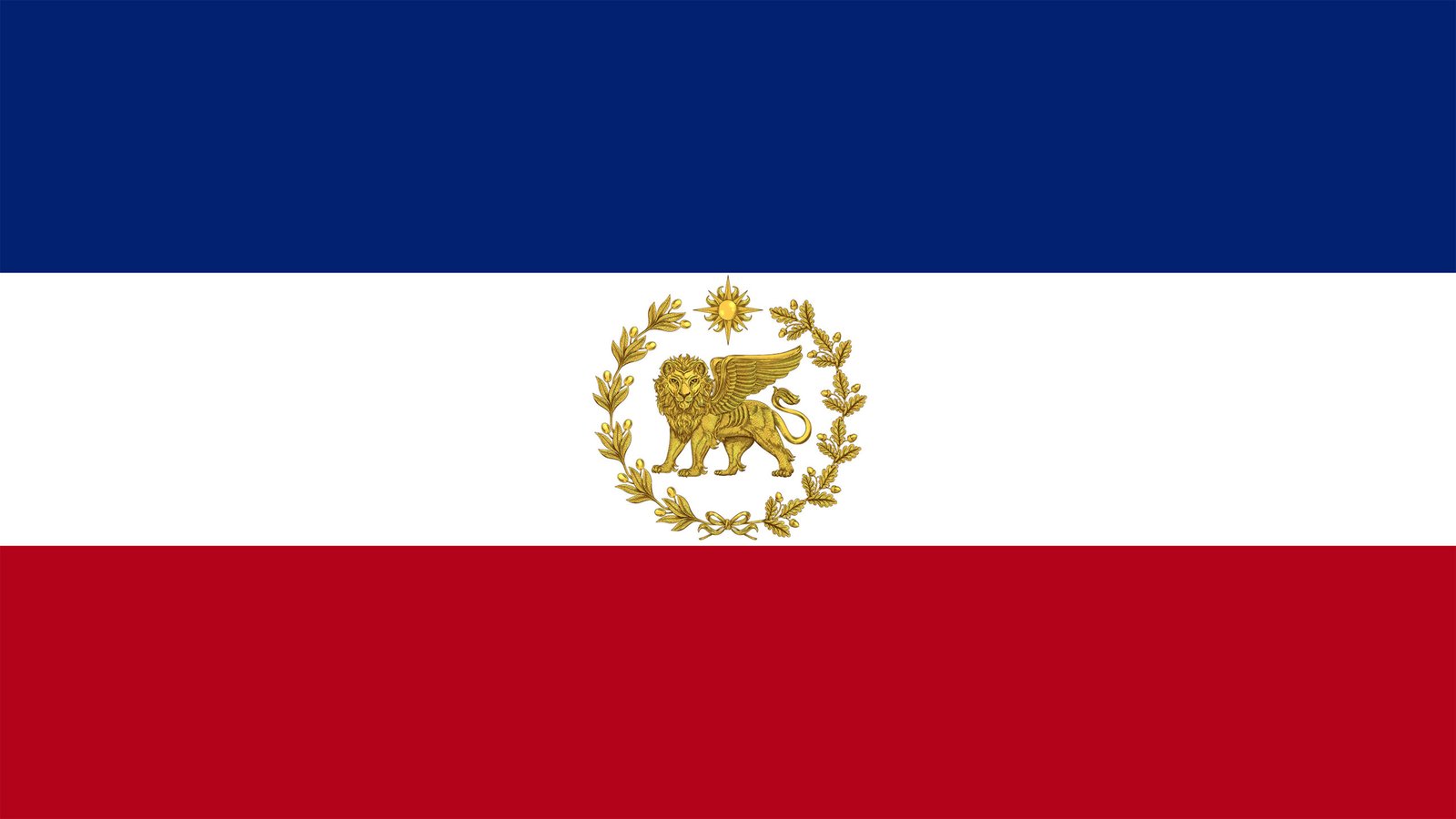
The National Flag of the United States of Persia is a patriotic symbol that embodies the nation’s beliefs, vision, and enduring strength. It reflects the spirit of the people and the foundational values of the political system.
Blue represents the skies and seas of Persia, symbolizing freedom, imagination, and inspiration.
White represents the land of Persia, symbolizing purity, integrity, and a new beginning.
Red represents the love and sacrifice of the martyrs of Persia, who devoted their lives with passion and courage for their homeland.
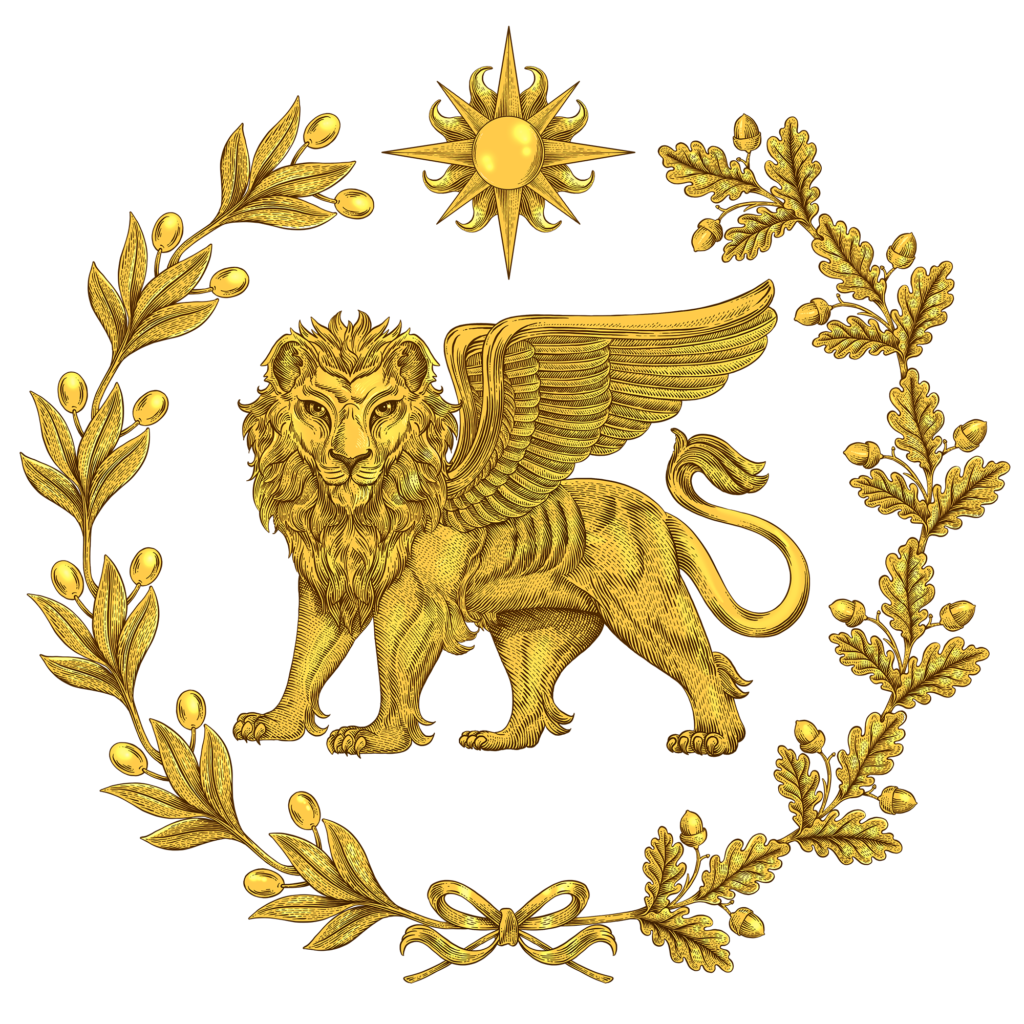
National Emblem of the United States of Persia
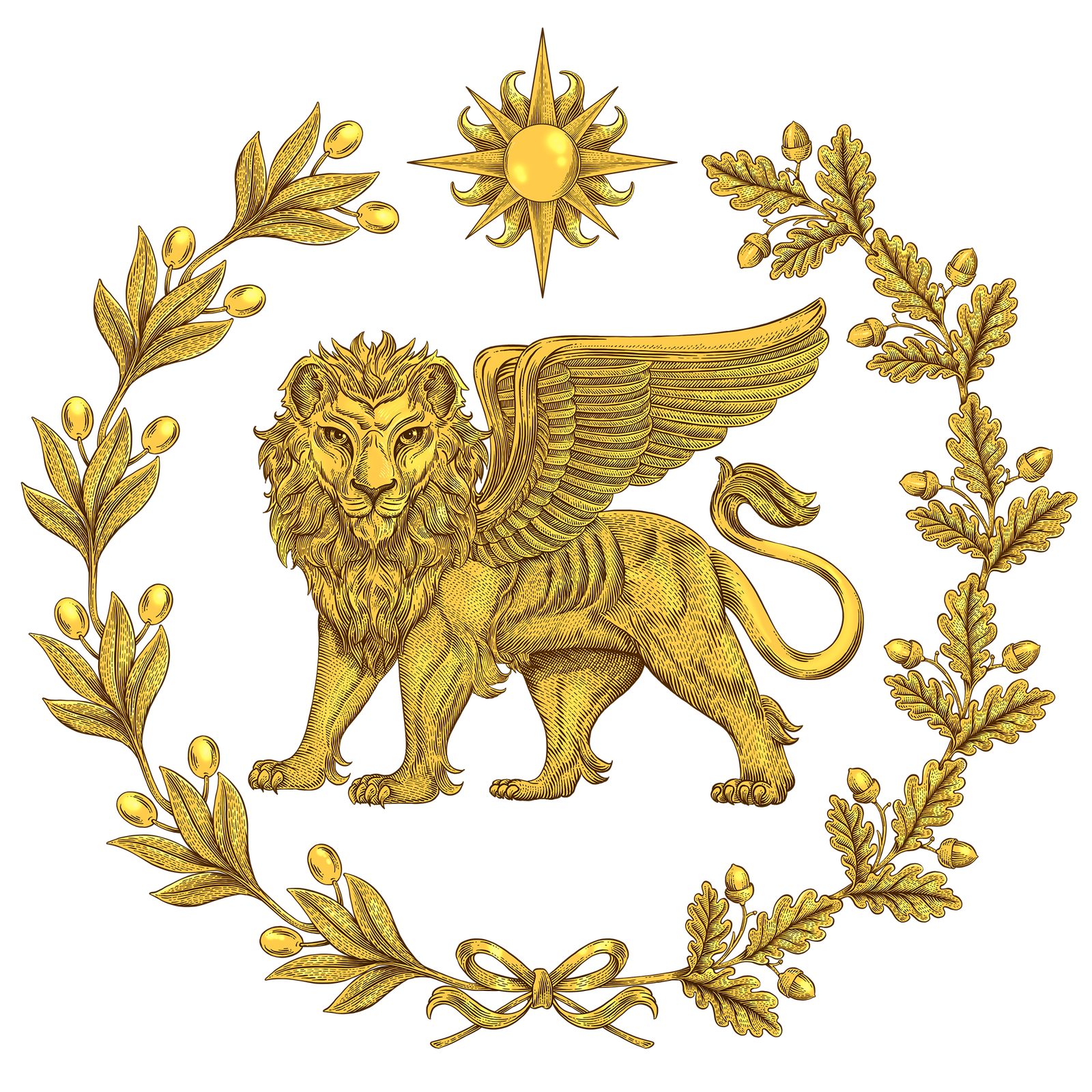
The Sun represents knowledge and guiding light, illuminating the path toward education, progress, and prosperity.
The Lion symbolizes the people of Persia, whose strength and sovereignty are elevated through knowledge and enlightenment.
The Oak Leaf represents strength, honor, and steadfast faith.
The Olive Leaves represent peace, goodwill, and friendship with the nations of the world.
Together, the golden National Emblem represents the strength, courage, justice, and peaceful character of the Persian people.
National Anthem of the United States of Persia
When the sun rose over Persia, to light and guide the people’s life. Our people became the kings and queens, surrounded by courage and peace.
We still remember hardships of the past, that’s why we work hard by heart and our hands.
We make our own land with toil and plan, our goal is to grow our strength and wealth.
Our seas are blue like bright sky, we honored our neighbors to share them with us. Our land is white with purity, we kept it by love and our own red blood.
We are young, smart and strong, aiming to be free and victorious. We owners of this golden soil and gifts, and we are the future of the USP.
RESILIENCE THROUGH CHANGE
Persia is one of the world’s most ancient civilizations, and the Persian people are among the earliest continuous nations in recorded history. Across centuries, they endured invasions, transformations, and profound political shifts, yet preserved their cultural identity, language, and national spirit. To understand the political ideology of the United States of Persia, one must first understand the history, culture, geography, and people of Great Persia. Its modern vision is rooted in a legacy shaped by resilience, knowledge, and an enduring commitment to continuity and progress.
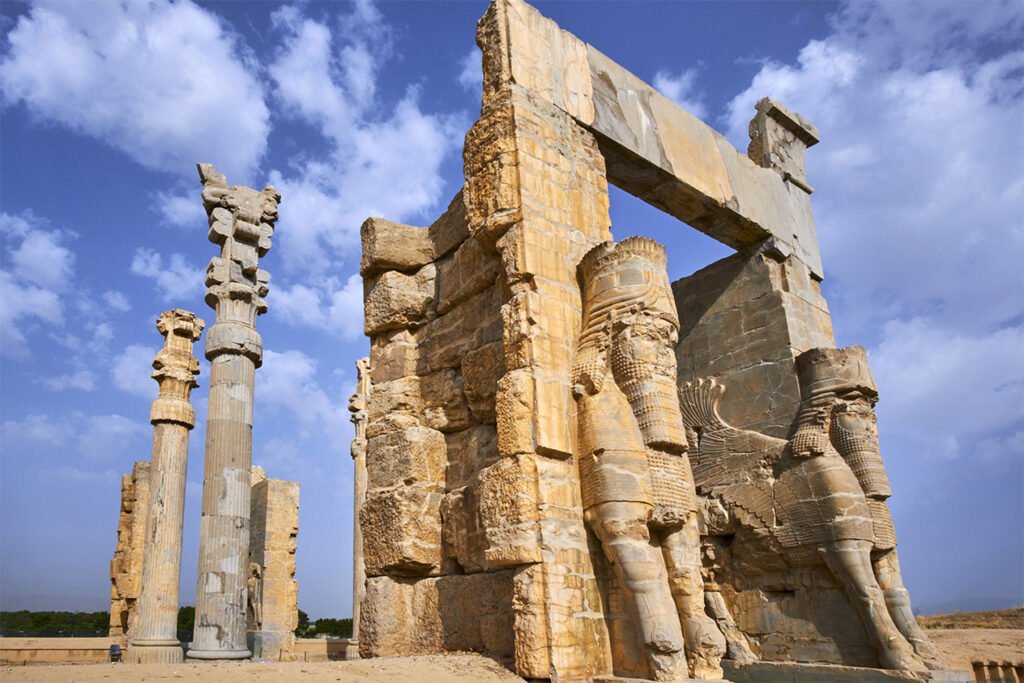
Ancient Civilization of Persia
The ancient civilization of Persia stands among the foundational pillars of human history. From the rise of its early empires to its advancements in governance, infrastructure, law, and cultural tolerance, Persia established models of statecraft that influenced civilizations across continents. Its achievements in architecture, science, literature, and administration reflected a society guided by knowledge, order, and vision. The enduring identity of the Persian people was shaped during this era—an identity rooted in dignity, resilience, and respect for cultural diversity.
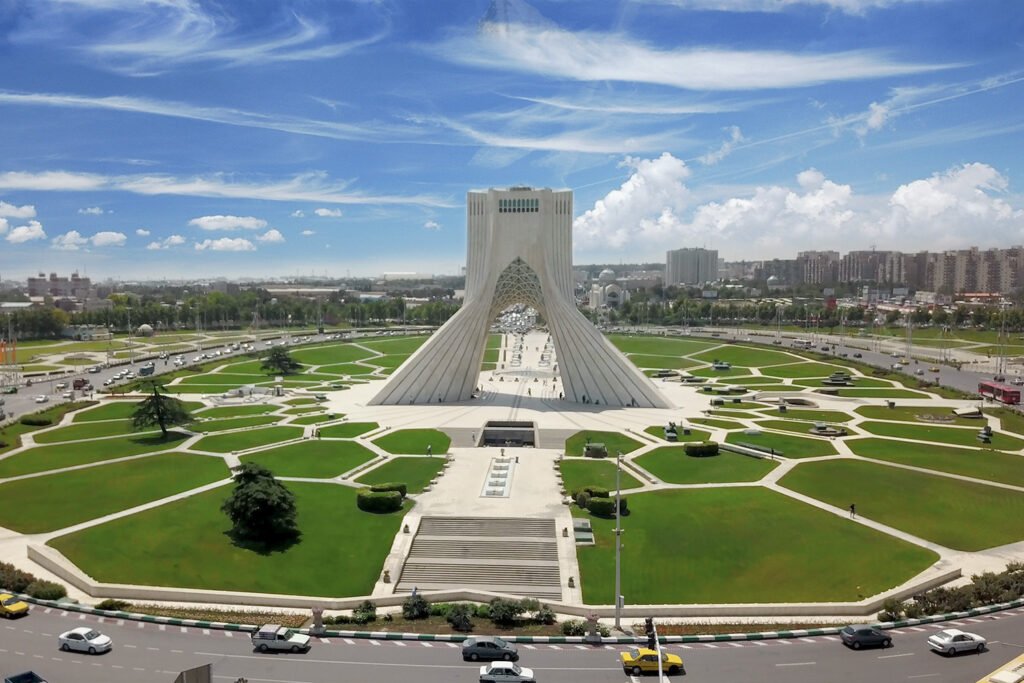
Contemporary History of Iran
In its contemporary era, Iran has experienced profound political transformations, social change, and global challenges. Revolutions, reforms, and shifting systems of governance have shaped the modern national consciousness. Yet throughout these developments, the Persian people have preserved their language, cultural heritage, intellectual tradition, and deep sense of national identity. This modern history reflects both struggle and endurance, reinforcing the principle that lasting stability and progress require accountable institutions, lawful governance, and the active participation of the people.

Future of the United States of Persia
The future of the United States of Persia is envisioned as a constitutional democratic system built upon the lessons of history and the strength of its civilization. Grounded in the rule of law, separation of powers, and civic participation, it aspires to unite ancient heritage with modern governance. By empowering citizens, ensuring institutional accountability, and upholding justice, the United States of Persia seeks to transform historical resilience into a forward-looking model of stability, prosperity, and peace for future generations.
REFERENDUM & ELECTION
The United States of Persia operates under a distinctive referendum and election system designed to ensure that democratic principles are upheld across all states. Through this system, citizens are directly or indirectly involved—either personally or through their elected representatives—in the law-making process and in selecting the officials responsible for governing the country.
An election is a fundamental process within democratic systems in which citizens vote to choose individuals or groups to form the political government that administers the country, or to elect representatives to parliament who are responsible for drafting and approving laws. A referendum, on the other hand, is a direct vote by the electorate on a specific political question, proposal, or law, allowing citizens to decide on important national matters without intermediary representation.
One of the key elements of elections in the United States of Persia is the active involvement of diverse political parties. A political party is an organized group that coordinates candidates to compete in national elections. It includes individuals, political activists, and various political groups who share similar ideologies and policy approaches, and who seek to lead the government according to their vision.
There are four main political parties within the Executive Branch of the United States of Persia, each following distinct political philosophies and methods. Executive elections are held every five years, and the governing authority may shift to a different party based on the majority vote of the people. This process helps maintain balance within society at multiple levels. To learn more about the political parties of the United States of Persia’s Executive Branch, please follow the link below.